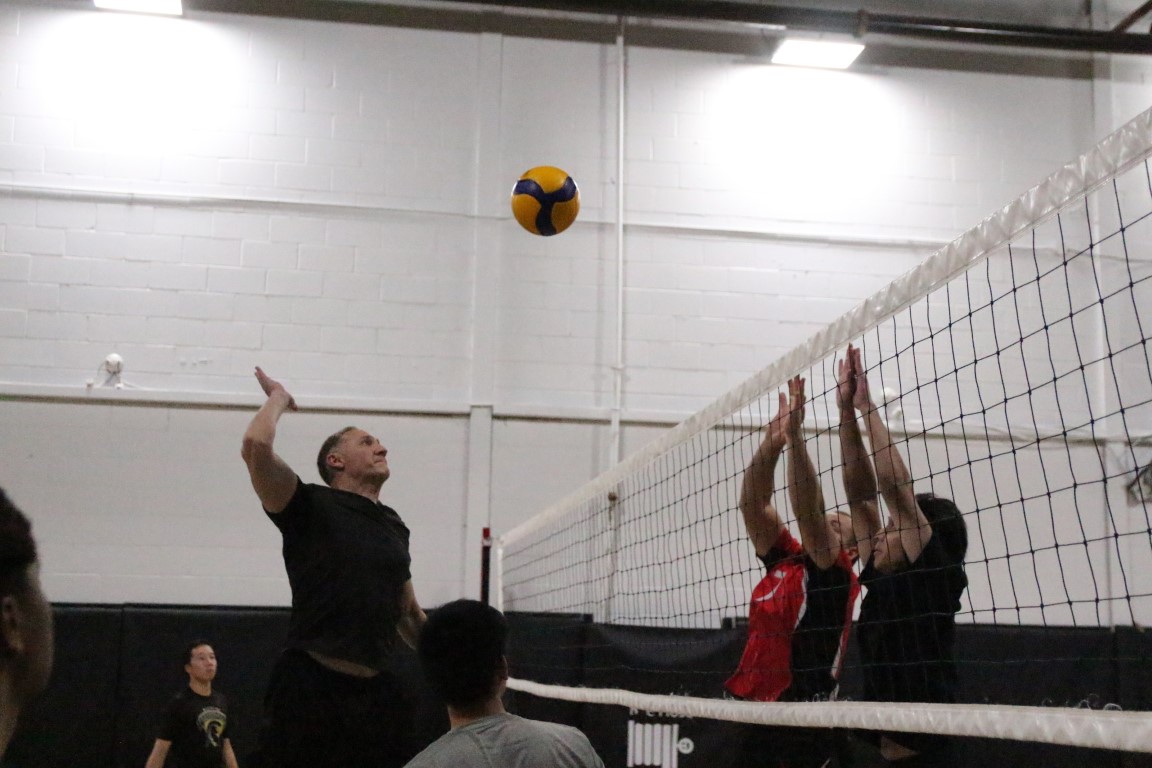
Volleyball is an exhilarating sport filled with action, strategy, and teamwork. Whether you're a beginner or an experienced player, there are always questions that arise about the game. Here we address the top 10 most common questions in volleyball, providing in-depth insights to deepen your understanding and enhance your skills.
Volleyball is played by two teams on a court divided by a net, with each team trying to score points by grounding the ball on the opponent's side. Each team is allowed three hits to return the ball. The game is typically played in sets, with the first team reaching a predetermined number of points winning the set. For a detailed overview of the rules, check out “The Rules and Regulations of Volleyball”.
Volleyball positions include setters, outside hitters, opposite hitters, middle blockers, liberos, and defensive specialists. Each position has specific responsibilities and requires different skills. For more information on player positions and their roles, visit “Understanding Player Positions and Their Roles in Volleyball”.
Improving your volleyball skills involves consistent practice, focusing on fundamental techniques like serving, passing, setting, hitting, and blocking. Participate in drills and scrimmage games, and seek feedback from experienced players or coaches. For specific drills, “The Best Volleyball Drills to Improve Your Skills on the Court” can be a great resource.
The most common volleyball serves include the float serve, topspin serve, jump serve, and jump float serve. Each serve has unique characteristics and strategic purposes. To learn more about serving strategies, visit “Volleyball Serving Strategies: Types of Serves and When to Use Them”.
A dig in volleyball is a defensive move used to prevent the ball from hitting the court after an opponent's attack. It requires quick reflexes and proper technique to control the ball’s trajectory. For an explanation of volleyball terminology, “84 Volleyball Slang Terms & Definitions” can be insightful.
Choosing the best volleyball depends on your level of play and personal preference. Factors like size, weight, grip, and material should be considered. For recommendations on the best volleyballs, “The 4 Best Volleyballs for Drop-In Runs” offers a great guide.
The best volleyball shoes provide stability, support, and comfort. They should have a good grip and be designed to accommodate the quick movements and jumps in volleyball. “The 5 Best Shoes for Volleyball” can help you find the right pair.
Basic volleyball equipment includes a ball, a net, and appropriate shoes. Protective gear like knee pads, ankle braces, and wrist supports are also recommended. For a complete list of equipment, “Essential Volleyball Equipment and Gear for Drop-In Games” is a useful resource.
Preventing volleyball injuries involves proper warm-up, strengthening exercises, practicing correct techniques, and wearing protective gear. Being mindful of your body’s signals and taking rest when needed are also crucial. “Injury Prevention Tips for Volleyball Players” provides comprehensive advice.
Getting involved in volleyball can start with joining local clubs, leagues, or recreational teams. Participating in lessons or clinics to learn and improve your skills is also beneficial. Community centers, schools, and sports organizations often offer volleyball programs. For a full list of volleyball drop-ins, training sessions, and tournaments in the Greater Toronto Area, visit Our Games Page today!
So there you have it, whether you’re new to volleyball or just curious about the sport, this blog answers 10 crucial questions that every volleyball player should know. If you’re interested in learning more about volleyball or improving your skills check out our Blog Page for a range of insightful articles written by volleyball players for volleyball players.


.avif)